Border communities are critical to the conversation on extremist and terrorist attacks as
well as other trans-national organised crime. Strategies and actions aimed at preventing or
countering such violent attacks and crimes must necessarily factor in the dynamics of
border communities and their role as buffer communities to the state. In the wake of the
escalation of violent extremist and terrorist attacks across West Africa and the threat Ghana
faces, communities along the borders of Ghana to Burkina Faso, Cote d’Ivoire and Togo
have become of immense interest to all stakeholders. Are they prepared, well informed and
ready to support strategies and actions to minimise the probability of Ghana being attacked?
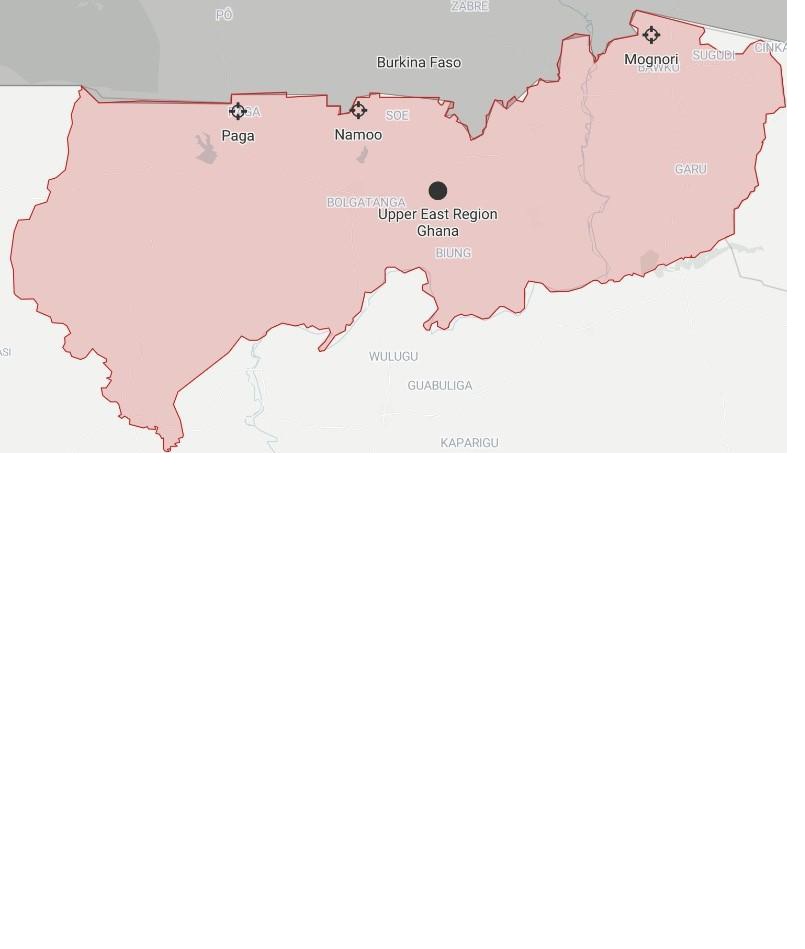
FOSDA’s Border Sensitivity monitoring exercise set out to answer some of these questions
and more in the Namoo and Magnori border communities bordering Burkina Faso in the
Upper East Region.
The monitoring was based on eight elements of sensitivity covering knowledge of subject
matter by leaders and ordinary citizens, adequacy of logistics of security apparatus, level of
collaboration, level of trust between citizens and security officers, porosity of borders, and
level of structural challenges including youth unemployment.
Below is the full report